
Electrical Load Planning for Mixed-Use Developments
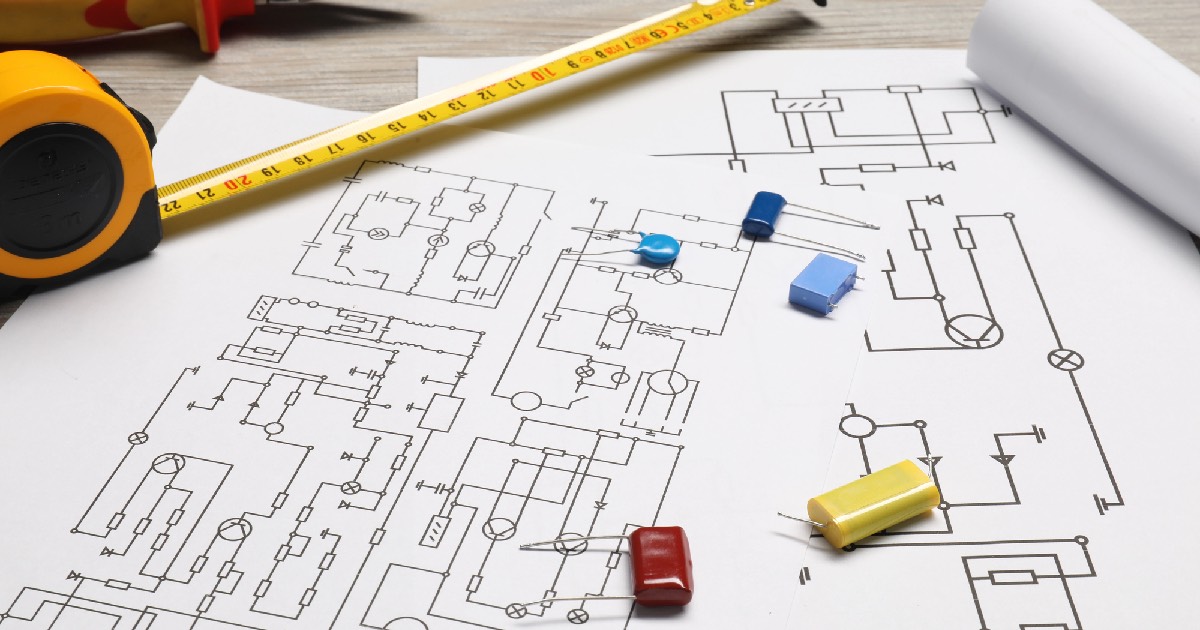
Mixed-use developments are everywhere—from buildings that combine retail on the ground floor with offices and apartments above, to large-scale projects that include restaurants, fitness centers, parking structures, and residential units all in one footprint. While these spaces create convenience and long-term value, they also introduce a major challenge behind the scenes: electrical load planning.
At MV Power Solutions, we’ve seen firsthand how thoughtful electrical planning can make or break a mixed-use project. Done right, it ensures safety, efficiency, scalability, and long-term cost control. Done wrong, it can lead to overloads, expensive retrofits, tenant complaints, and operational headaches.
Let’s break down what electrical load planning really involves and why it matters so much in mixed-use environments.
Why Mixed-Use Developments Are Electrically Complex
Unlike single-purpose buildings, mixed-use developments bring together very different electrical demands under one roof. For example, retail spaces often require high lighting loads, signage power, and point-of-sale systems. Restaurants add heavy kitchen equipment, refrigeration, and ventilation loads, while office spaces rely on consistent power for HVAC, lighting, and technology.
If you plan on bringing in residential units, usage-driven loads that spike at different times of day must also be accounted for. Knowing that each development has unique peak demand patterns, power quality needs, and code requirements, it’s crucial that the electrical system can handle them simultaneously and reliably.
Load Calculations: More Than Just Adding Numbers
Electrical load planning starts with accurate load calculations, but this isn’t as simple as adding up nameplate ratings.
A strong electrical plan accounts for:
- Demand factors (not everything runs at full load at the same time)
- Diversity factors across residential, commercial, and shared spaces
- Future tenant flexibility (because today’s coffee shop could be tomorrow’s fast-casual restaurant)
- Seasonal variations, especially with HVAC-heavy spaces
At MV Power Solutions, we approach load calculations strategically—balancing safety margins with real-world usage so clients aren’t paying for oversized systems they’ll never fully use.
Planning for Growth and Change
One of the most common mistakes in mixed-use developments is designing electrical systems only for current tenants. The reality is that these spaces evolve. Therefore, electrical planning should include spare capacity in panels and switchgear, space for future transformers, conduit pathways for additional circuits, and flexible metering options for tenant turnover.
When future expansion is built into the plan, upgrades are faster, less disruptive, and far more cost-effective.
Managing Shared Infrastructure
Mixed-use developments rely heavily on shared electrical infrastructure—think main service equipment, backup power systems, and common-area lighting. Electrical systems must be designed to clearly separate tenant loads for accurate billing and accountability, protect critical building systems from downstream issues, and ensure emergency and life-safety systems remain isolated and fully reliable.
Just as important, proper load management helps prevent one tenant’s high electrical demand from impacting others in the building. This is where experience truly matters. With strong coordination across design, installation, and commissioning, shared electrical systems can operate smoothly, efficiently, and reliably for everyone involved.
Code Compliance and Utility Coordination
Electrical codes, local amendments, and utility requirements all influence electrical load planning, and they aren’t always perfectly aligned. A comprehensive approach accounts for:
- Compliance with NEC and local authority requirements
- Early coordination with utility providers
- Planning for service entrance limitations or transformer placement
- Load studies that satisfy both inspectors and utility engineers
By addressing these factors early in the process, projects are far more likely to stay on schedule and the need for costly redesigns is avoided.
Energy Efficiency and Smart Load Management
Today’s mixed-use developments are increasingly built with energy efficiency and smart technology in mind, and electrical load planning has to keep pace. That means thinking beyond today’s needs and accounting for things like LED lighting with advanced controls, building-wide energy management systems, EV charging stations, and even the potential for solar or other renewable upgrades down the road.
When these elements are considered early, owners can take advantage of lower operating costs and smarter energy use while still maintaining a reliable electrical system that’s flexible enough to adapt as technology and tenant needs evolve.
The Value of an Experienced Electrical Partner
Electrical load planning is a long-term investment in how well a building performs and adapts over time. Bringing an experienced electrical contractor into the process early helps developers and property owners strike the right balance, avoiding systems that are undersized and struggle to keep up or oversized and unnecessarily expensive.
It also reduces long-term maintenance and upgrade costs, improves the overall tenant experience, and ensures safety and code compliance from day one. At MV Power Solutions, we take a practical, forward-thinking approach to electrical load planning for mixed-use developments, designing systems that work efficiently today and continue to support buildings as they grow, change, and evolve.
Planning a mixed-use project or evaluating an existing electrical system? Partnering with the right electrical team early can make all the difference. Contact MV Power Solutions for a consultation at 720-287-2305.
