
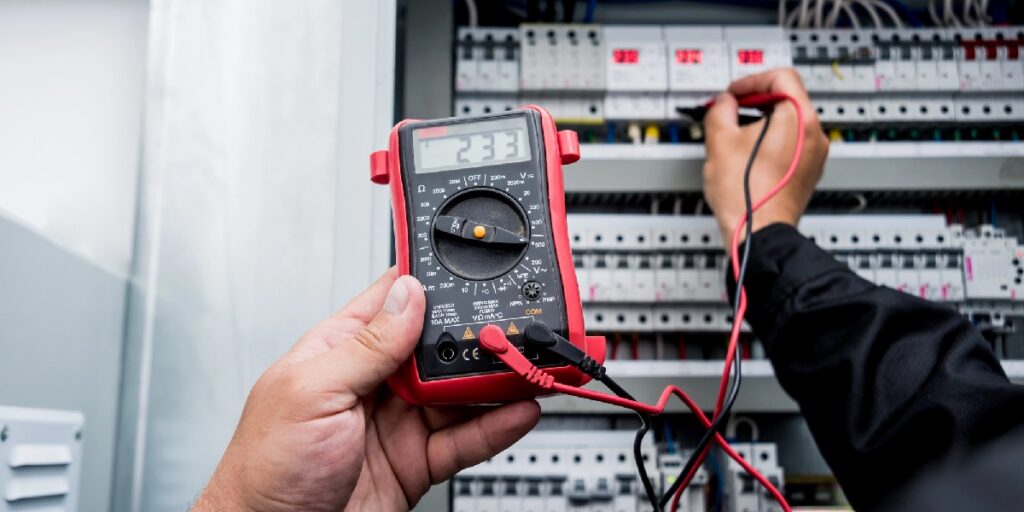
Most commercial electrical systems in Denver don’t fail without warning. They signal trouble first, through symptoms that are easy to explain away and easy to ignore until something finally goes wrong. A breaker that trips every few weeks, lights that flicker when the HVAC kicks on, or an outlet that feels warm to the touch might seem minor on its own. Together, they often tell the story of a system that’s working harder than it should.
An overloaded electrical system isn’t just an inconvenience. It’s a safety risk, a liability, and a cause of equipment damage that compounds quietly over time. Here’s how to recognize the signs and when to call for commercial electrical repair in Denver.
Breakers That Trip More Than Occasionally
A circuit breaker that trips now and then is doing exactly what it should because it’s protecting your system from a momentary overload. A breaker that trips regularly, on the same circuit, is a different situation entirely.
Frequent breaker trips are one of the clearest signs that a circuit is carrying more load than it was designed for. If you keep resetting a breaker, at some point it will stop doing its job, potentially resulting in an electrical overload that overheats wiring insulation and creates a fire risk.
The pattern matters too. If the same breaker trips at the same time of day when a specific piece of equipment starts up, that’s valuable diagnostic information. It tells you exactly which circuit is under stress and when. That information is what a commercial electrician uses to determine whether the solution is load redistribution, a dedicated circuit, or a broader panel upgrade.
Flickering, Dimming, or Buzzing Lights
Lights that flicker or dim are a reliable indicator that something is drawing more power than the circuit can cleanly deliver. If lights in your facility flicker, dim, or buzz, especially under load, you’re likely dealing with overloaded circuits, faulty wiring, or aging components.
The key is to notice the pattern. Lights that flicker consistently when a specific piece of equipment starts are telling you that startup surge is pulling voltage down across the circuit. In a well-sized, properly loaded system, that shouldn’t be happening noticeably. When it does, it’s worth checking out.
Buzzing sounds from outlets, switches, or panels add another layer of concern. A sharp buzzing, crackling, or sizzling from outlets, switches, or panels can indicate loose connections or dangerous arcing electricity. This situation doesn’t improve on its own and increases the risk of fire, which is why it requires commercial electrical repair in Denver.
Heat Where There Shouldn’t Be Any
Heat is one of the most serious warning signs in a commercial electrical system. A burning smell, hot outlets, or discoloration around switches should never be ignored. These symptoms may point to faulty connections or internal arcing, a serious fire hazard in any commercial setting requiring immediate inspection.
Warmth around an outlet or switch plate, a panel door that feels noticeably warm, or any outlet or device that shows discoloration or scorch marks are all signs that a circuit is generating heat it shouldn’t be. Overloaded outlets carry a high concentration of electric current with an unpredictable amount of heat, and unregulated heat wears electrical wires, raising the risk of fire.
This category of warning sign doesn’t call for monitoring but for immediate attention. If you’re noticing heat, burning smells, or discoloration anywhere in your electrical system, stop using the affected circuit and contact a licensed commercial electrician in Denver.
Equipment That Underperforms or Fails Prematurely
This one is subtler, but important. If motors seem sluggish, equipment takes longer to operate than it should, or you’re replacing devices more frequently than their expected lifespan would suggest, your electrical system may be part of the problem.
Voltage fluctuations caused by an overloaded system don’t just affect lights. They affect every piece of equipment connected to the same circuits. Sensitive electronics, motors, and precision equipment are all vulnerable to the inconsistent power delivery that comes with an overloaded system. The damage accumulates gradually through shortened component life, degraded performance, and eventually premature failure.
If you’re seeing repeated equipment issues across your Denver facility, a system assessment is worth adding to the diagnostic process.
An Unlabeled, Confusing, or Outdated Panel
Sometimes the sign of an overloaded system isn’t something you feel or hear but it’s something you see when you open the panel. If your panel is hard to read or missing labels entirely, it can create confusion during repairs, shutdowns, or emergencies. This increases the chances of overloading circuits unknowingly.
A panel that has been modified over the years is a system where it’s difficult to know what’s carrying what load. Overloading circuits unknowingly is a direct path to the symptoms described above. If you’re not confident that your panel accurately reflects what’s connected to each circuit, you’ll want to have this conversation with a commercial electrician.
What to Do When You See These Signs
Recognizing the signs of an overloaded electrical system is the first step. The next step is having a qualified commercial electrician evaluate what’s causing the stress. The right solution depends on how your building is being used, what equipment is drawing power, and whether the existing system still matches the demands of the business.
Depending on the issue, the commercial electrical repair in Denver may include:
- Load redistribution to move equipment onto underused circuits and spread electrical demand more evenly across the system.
- Dedicated circuits for high-draw equipment that should not be sharing capacity with other devices, appliances, or systems.
- Panel upgrades when the existing panel no longer has the capacity to safely support the building’s current electrical load.
- Service expansion for facilities that have grown, added equipment, or changed operations without updating the electrical infrastructure to match.
- Code and safety corrections if the inspection reveals outdated wiring, improper circuit use, or conditions that create unnecessary risk.
What you do not want to do is keep monitoring the problem while the symptoms continue. An overloaded commercial electrical system does not fix itself. It keeps wearing down until something trips, fails, overheats, or shuts down. In a commercial environment, that usually happens at the worst possible time.
MV Power Solutions Can Help You Find Out Where You Stand
At MV Power Solutions, we serve commercial clients throughout the Denver metro area and statewide, helping businesses identify electrical issues before they become failures and implement solutions that are built to last. Our team brings the diagnostic experience and the commercial electrical expertise to tell you clearly what’s happening in your system and what it takes to fix it right.
Contact MV Power Solutions today at 720-287-2305 to schedule an assessment. Let’s find out where your system stands before it tells you itself.